
Every three months or so, I’m faced with a new health situation with one or both of my parents. As we walk forward, the need becomes a little more frequent and a little more serious. This is the reality of learning to walk closely with mortality.
It feels like there are two options, at this point, as we plan for impending sorrow: Live positively—or live negatively.
Option 1: Live Positively
This often looks like turning away from the real-ness of the situation and instead finding and holding for dear life onto even the tiniest thread of a silver lining.
For years, I perfected this approach. I even lost a boyfriend once because he just couldn’t stand my saccharine approach to life’s hardships. At the time, I couldn’t see the flaw in my technique. Wasn’t I making the most out of a tough situation?
In today’s reality, my updates with friends are often about what estate planning I’m knee deep in. I share facts I’m discovering that I wish everyone knew. Too often, I’ll receive an alarming comment like, “My parents don’t talk about those things. They’re really positive people.”
Eight years ago, I would have been that person. I would have hid from reality and quipped, “I’m just a positive person.” And that’s the issue with just being positive: This is usually personified by ignoring reality.
Option 2: Live Negatively
The alternative looks bleak to a recovering silver lining chaser.
Living negatively looks like being dragged down by the details of each woe:
- Spending hours on WebMD checking for symptoms
- Staying awake at night worrying over each possible outcome
- Talking with others only about each potential issue
Think of the loved one who is so focused on what could happen that they forget there is so much of life left to focus on.
I want to say I was immune to this, but last year, my child felt suddenly exposed to an unsafe situation, and it was like my whole being was sucked down into every possible outcome. As a survivor of childhood trauma, I found myself going into survival mode. This mode is personified by being hyper-aware of each detail, even reading into scenarios that just aren’t true. I wanted to hold him and not let go.
How do you walk forward when you know the worst is possible? Each day, I am ever more fully aware of the horrific things that could happen to myself, my child, and my parents.
How do we live in this space?
What is the option between positive and negative?
Could there be something else?
Option 3: Living With Hope
The solution came from a very wise teacher one day: “Johanna, you can live in reality, make wise plans, let go, and respond when it’s needed.”
For too long, I equated my faith approach to hope with the positive description. I lived into the cerebral truths (often incredibly beautiful) but ignored the reality. I didn’t trust myself enough to embrace reality, and I definitely couldn’t trust God to be involved in it.
This type of hope was out of touch with and not deeply rooted in reality.
I wanted more. I needed more!
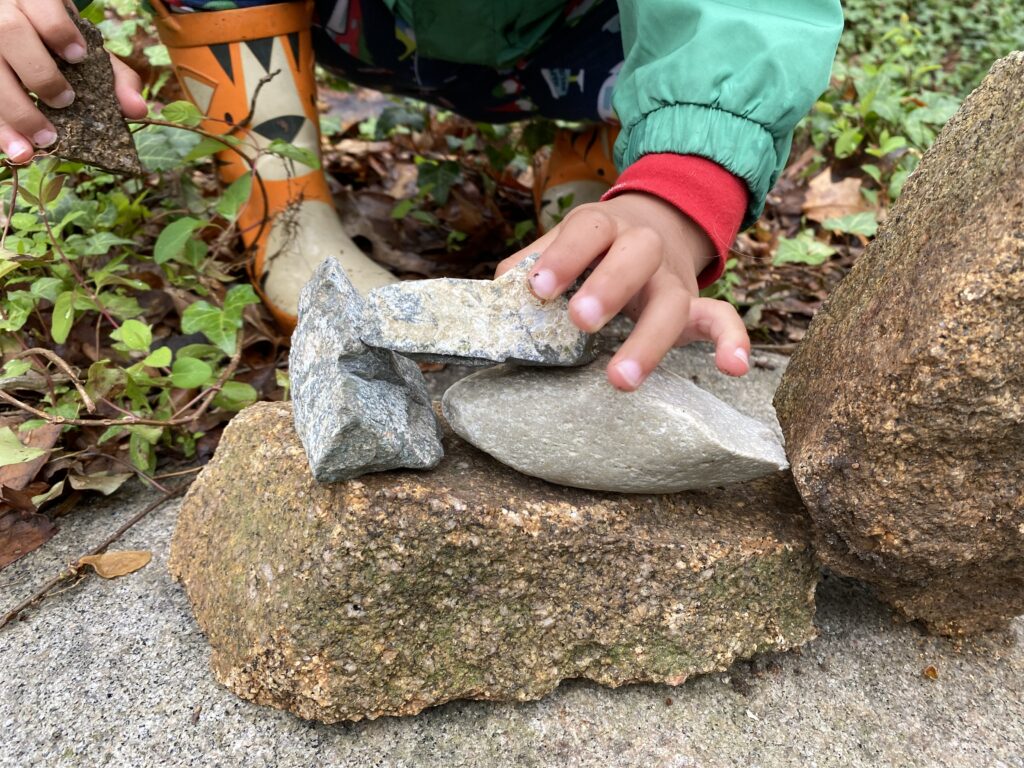
From this perspective, hope is less shrouded in mystery but a grounded virtue. Grounded because as we walk with our mortality and those around us, we are abundantly connected to the reality of grace.
As I walk and ground myself in the hope that the wisdom will be there when I need to make a difficult decision, I find true grace.